August 20, 2026
Human civilization relies on constant mobility and physical connection. From ancient trade routes to modern superhighways, physical connections allow societies to thrive and expand. Roads serve as the arteries of human progress. People commute to their workplaces, agricultural goods move to urban markets, and distant communities interlink through vast transportation webs. Without a solid, reliable surface beneath vehicle tires, travel becomes slow, hazardous, and inefficient. The modern world demands durable infrastructure to function and grow.
This vital infrastructure does not appear by magic. Dedicated professionals labor through intense heat and difficult conditions to lay down the asphalt and concrete that support everyday movement. These paving contractors carry out complex engineering feats, transforming rough, uneven terrain into smooth, passable routes. Their grueling work ensures that vehicles can traverse immense distances without damage or delay. Through extensive site planning and heavy physical labor, they create the indispensable physical layer upon which modern human life operates.
Constructing the Foundations for Modern Society
Paving contractors begin their work before any material touches the ground. They must evaluate the soil composition, clear away organic debris, and grade the naked earth. A highway requires an unyielding, stable base to withstand immense vehicular weight and punishing weather conditions. Proper subsurface drainage systems are essential to prevent standing water accumulation. If the dirt foundation fails, the entire road surface will crack, warp, and crumble under pressure.
Heavy earthmoving equipment shapes the chaotic landscape, carving level paths through steep hills and deep valleys. Skilled machine operators manipulate massive bulldozers and graders to establish a precise, measured slope. This deliberate angle sheds rain from the driving surface, protecting the internal integrity of the road layers above. Attention to the subgrade prevents potholes and structural collapse.
Once the raw ground is prepared, construction crews lay thick layers of aggregate materials. Crushed stone, river rock, and gravel combine to form an unyielding base layer. Compactors compress this material, eliminating air pockets and creating a solid foundation. This stone base absorbs and distributes the crushing weight of heavy traffic into the deep earth below.
The overarching quality of this unseen stone foundation dictates the ultimate lifespan of the visible road surface. A weak or uneven base leads to immediate surface cracks, gaping potholes, and severe structural damage. Through rigorous material testing and repeated mechanical compaction, construction crews guarantee the structural soundness of the new roadway. Their hidden groundwork serves as the invisible backbone of the entire transportation system.
Developing the Networks for Global Commerce
The ceaseless transportation of commercial goods forms the core of the global economy. Massive freight trucks require wide highways to haul heavy industrial loads across the continent. Paving contractors specialize in designing and pouring surfaces capable of enduring constant, extreme mechanical stress. These high-volume commercial routes demand specialized, reinforced mixtures of dense asphalt and thick concrete. Standard materials would disintegrate under the immense pressure.
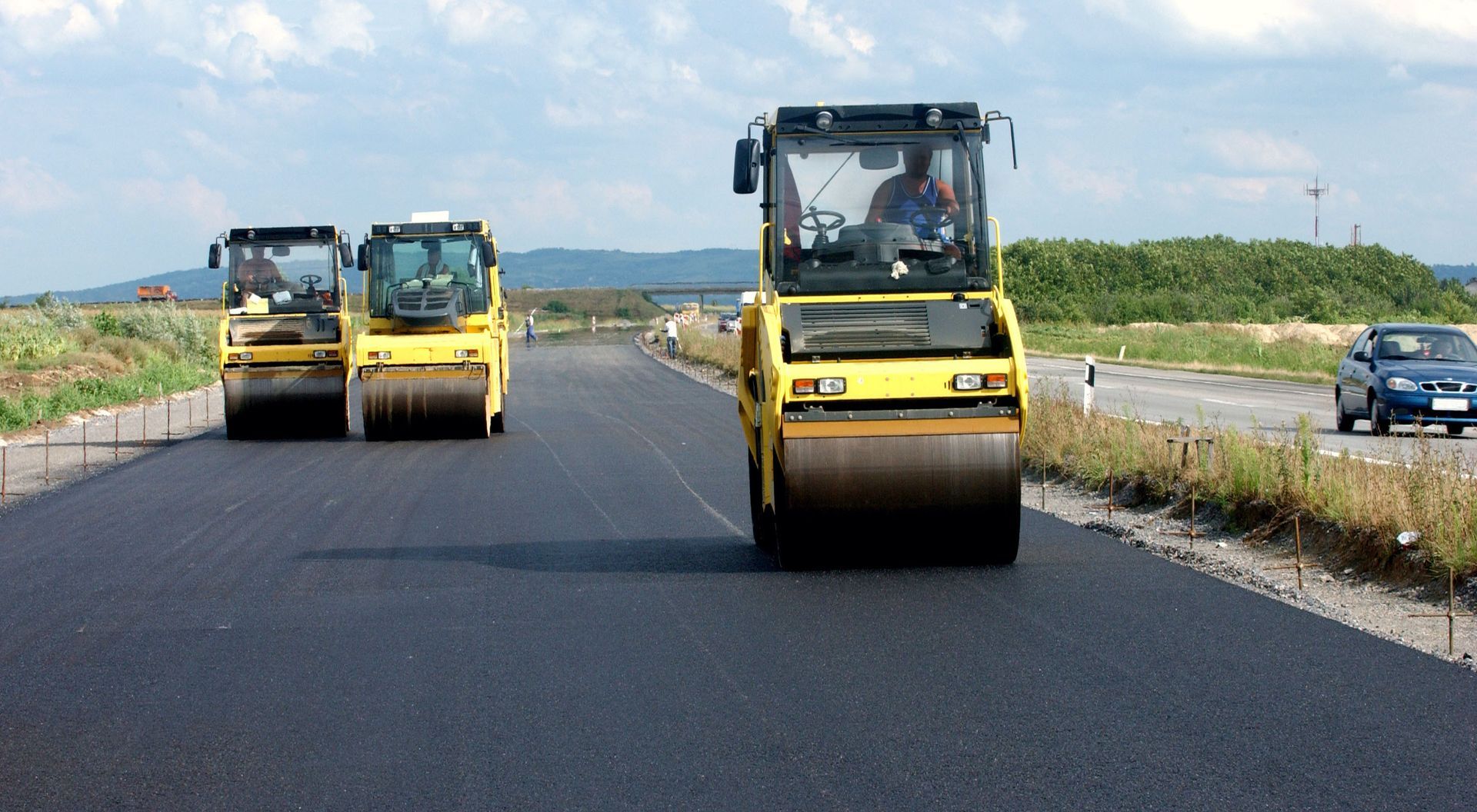
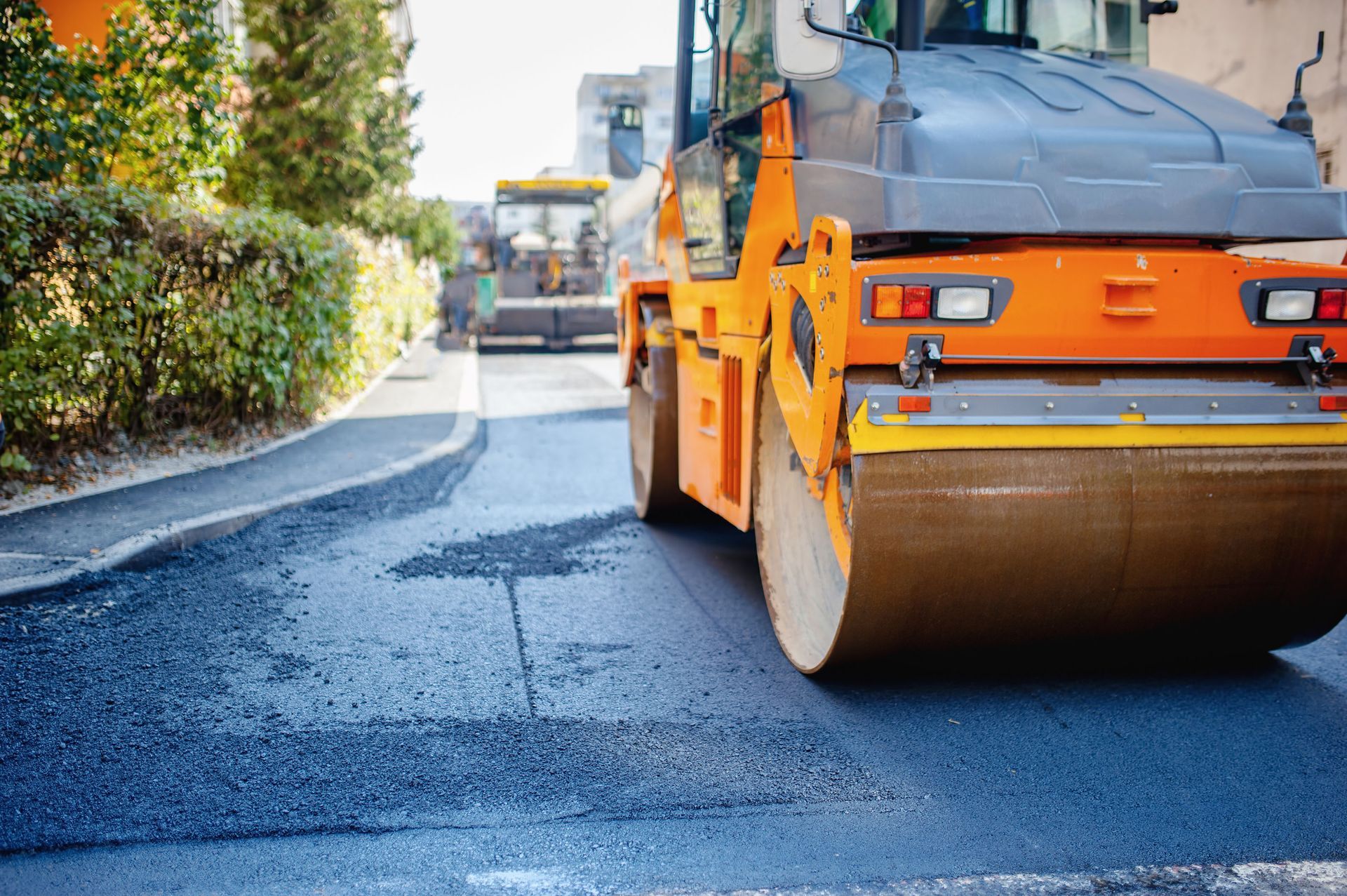
Asphalt provides a flexible, forgiving surface for high-speed highway travel. Construction crews heat the black mixture to extreme temperatures before spreading it over the prepared stone base. Massive steam rollers then compress the sweltering hot material into a solid, seamless black sheet. This intense process requires exact timing and coordination among crew members. The hot asphalt must be rolled before it cools into an unworkable state.
According to the Washington Asphalt Pavement Association, despite seeing little expansion since 1960, our road network now handles more than 4 times the traffic volume. This intense, unyielding volume stresses every inch of available pavement. The immense traffic load necessitates stronger aggregate materials and better construction techniques to prevent total infrastructure failure. Road builders must innovate to accommodate this staggering growth in vehicular weight.
Concrete offers a rigid alternative for areas experiencing the heaviest, most destructive commercial use. Although it requires a longer curing period, poured concrete delivers exceptional, long-lasting durability. Workers pour and finish the thick grey mixture, cutting precise joints to control natural thermal expansion and contraction. Both asphalt and concrete play distinct, vital roles in sustaining the fragile supply chain. These materials keep grocery store shelves stocked and warehouses full.
Enhancing the Surfaces for Daily Commutes
Beyond heavy industrial routes, everyday civilian commuters depend on well-maintained local streets. Neighborhood roads, suburban avenues, and busy urban intersections require constant attention and upkeep. Paving contractors balance the strict need for structural durability with the requirement for smooth, quiet passenger rides. The subtle texture of the road impacts tire grip, vehicle fuel efficiency, and long-term automotive wear.
A flawless, smooth street surface reduces mechanical friction, allowing passenger cars to glide with minimal resistance. This physical efficiency translates to superior fuel economy and reduced atmospheric emissions. Proper road grading and refined surface texture help mitigate loud tire noise, benefiting nearby residential neighborhoods and schools. The overall comfort of the daily morning drive depends upon the finish quality provided by the construction crews.
Driver safety stands as a paramount concern during any civic road construction project. Crews apply specialized, high-grip friction courses to the top layer of highway asphalt. These deliberate textures prevent dangerous vehicle hydroplaning during heavy rainstorms by channeling standing water away from spinning tires. Lane markings bond to a well-finished surface, guiding confused drivers through nights and thick fog.
Dense urban environments present unique, complex challenges for civic infrastructure projects. Crews must navigate existing underground utilities, concrete curbs, and iron drainage grates while laying new surface material. They coordinate with city traffic planners to minimize lane closures and driver disruption during the critical pouring and rolling phases. The final result is a seamless integration of fresh, durable roads into older, established city grids.
Preserving the Pathways for Future Generations
No man-made road lasts forever without aggressive human intervention. Severe weather, heavy freight loads, and relentless time degrade even the strongest composite materials. Paving contractors perform crucial, ongoing maintenance to extend the functional lifespan of aging roadways. Massive milling machines strip away the damaged top layer of cracked asphalt, leaving the solid stone foundation intact for a fresh surface. This removal prevents the need for total road replacement.
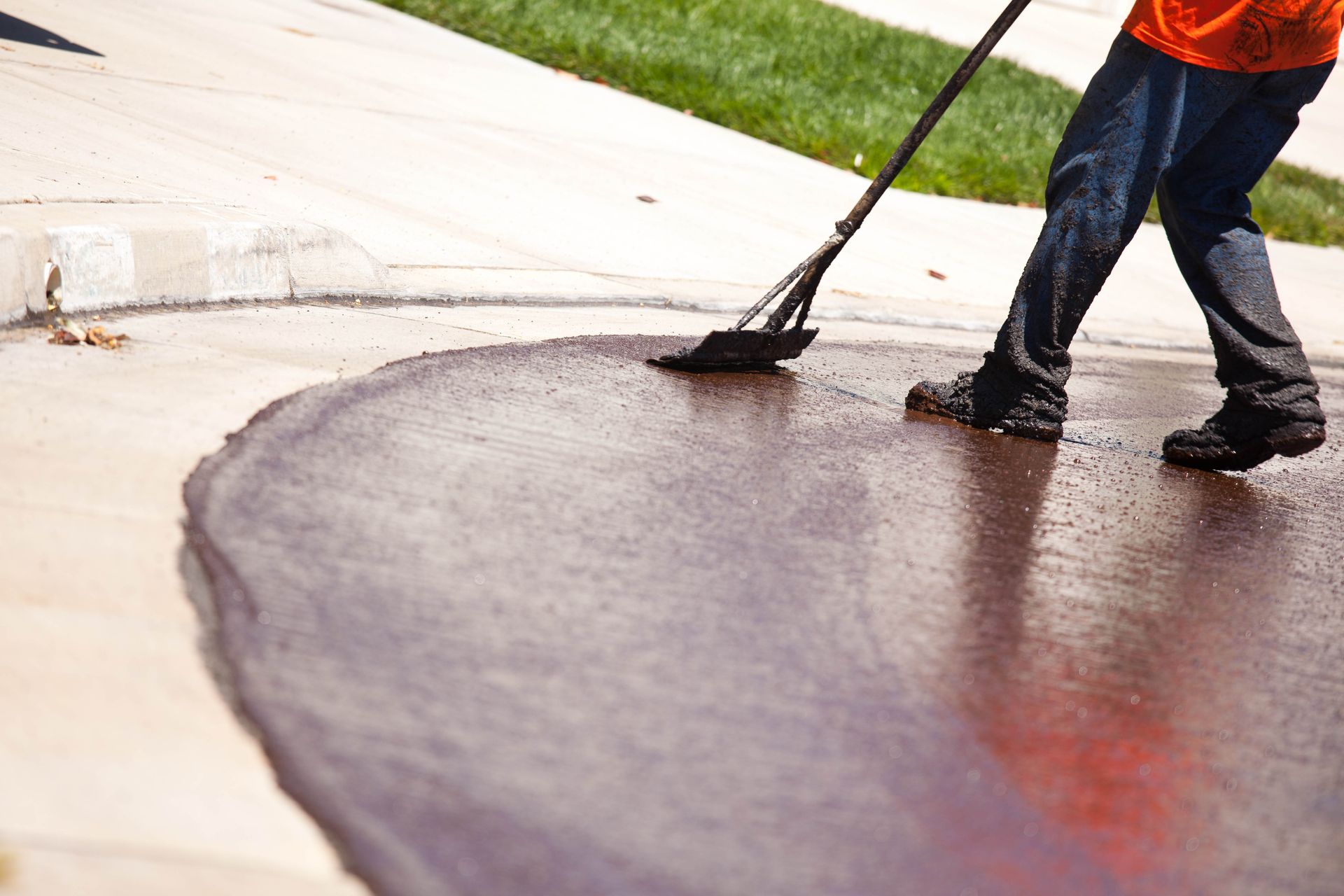
Preventative crack sealing stops destructive liquid water from penetrating the vulnerable subbase. When freezing moisture enters microscopic road cracks, it expands as ice, destroying the brittle pavement from within. Maintenance crews apply specialized rubberized sealants to stop this insidious infiltration before it causes structural collapse. This simple preventative measure saves massive amounts of public funds and raw resources over the long lifecycle of the highway.
Strategic resurfacing projects breathe new functional life into crumbling, aging civic infrastructure. Instead of rebuilding a ruined road from scratch, crews apply a thin, fresh overlay of hot asphalt. This efficient technique restores the smooth passenger ride and structural integrity of the damaged street. It represents a cost-effective strategy for municipal governments managing vast transportation networks on limited budgets. A fresh overlay adds decades of functional life.
Material recycling has become a major, vital component of modern road maintenance. Old, degraded asphalt is milled, processed, and mixed into brand-new pavement batches. This sustainable, eco-friendly practice reduces the need for virgin rock materials and diverts massive amounts of construction waste from overflowing landfills. Modern road construction balances the strict demand for robust travel routes with vital environmental stewardship. Recycled roads perform with exceptional durability.
The remarkable ability to travel defines the prosperity of the modern era. Every human journey, whether a cross-country freight haul or a quick trip to the local grocery store, relies on solid, reliable ground. Paving contractors provide this indispensable foundation, turning impassable, rugged terrain into reliable avenues of human connection. Their immense technical expertise ensures that people and goods reach their final destinations without incident or delay. When you are ready to upgrade your surfaces, reach out to our team of dedicated paving contractors here at New England Paving. We look forward to building a solid, durable foundation for your next project.