November 17, 2026
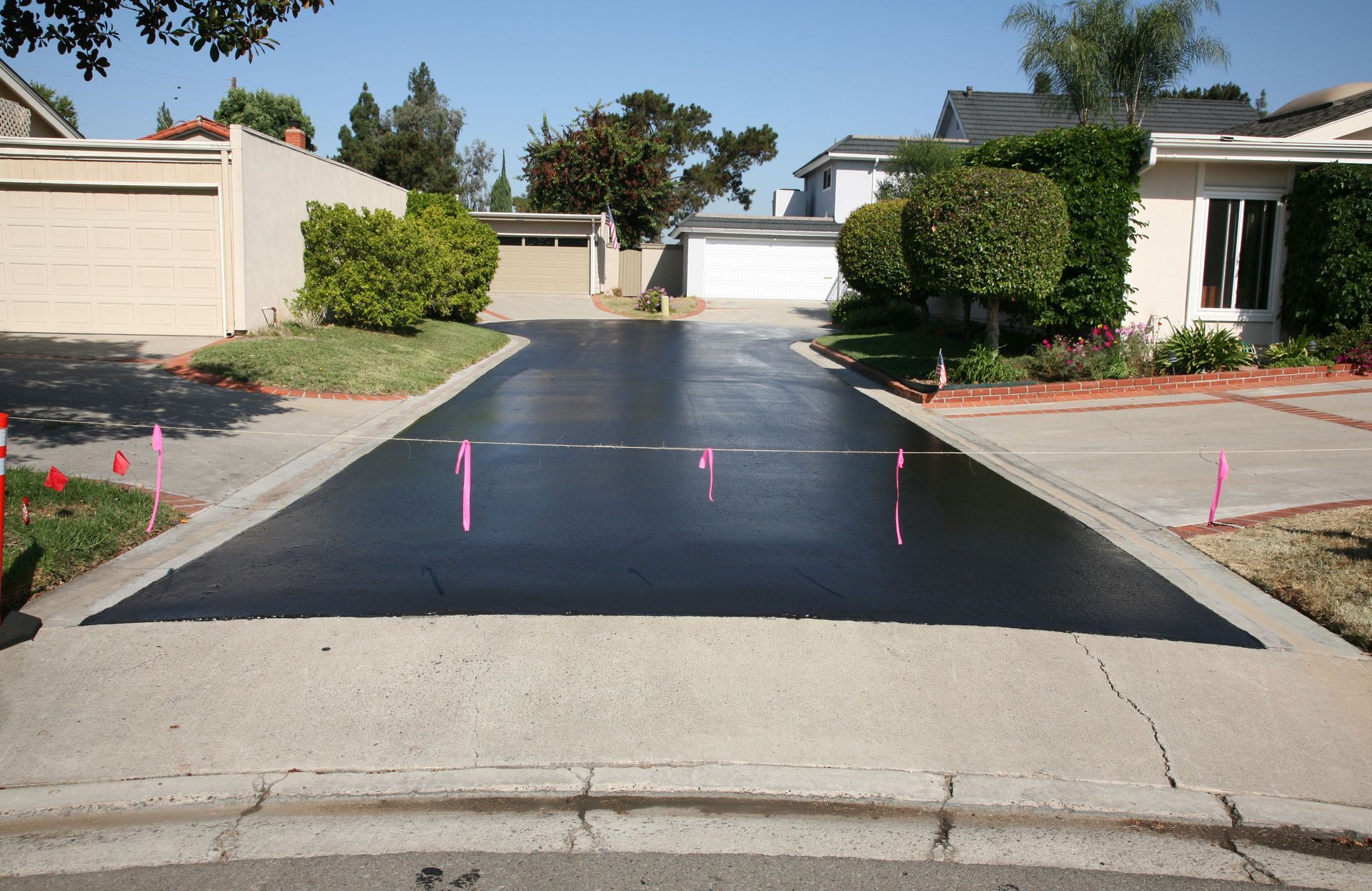
An asphalt driveway provides a durable and attractive surface for parking vehicles and accessing a residential property. However, regular exposure to sunlight, rain, vehicle traffic, and changing temperatures can gradually affect its condition. Over time, the protective oils in asphalt begin to break down, leaving the surface more vulnerable to moisture and everyday wear. Small cracks, fading, and rough patches may develop before homeowners realize their driveways need additional attention. Sealcoating is a preventative maintenance option that helps protect asphalt from common sources of deterioration and maintain a more uniform appearance. Recognizing the warning signs early can help property owners determine when it is time to schedule professional maintenance. Working with an experienced paving contractor also provides an opportunity to evaluate the driveway and identify repairs that may be necessary before applying a protective coating. Understanding these signs can help homeowners preserve their asphalt surfaces and avoid more extensive maintenance expenses.
Recognizing Fading and Discoloration
One of the easiest ways to determine whether an asphalt driveway needs sealcoating is by examining its color. Fresh asphalt typically has a rich, dark appearance that gradually fades as it experiences exposure to sunlight and weather conditions. Ultraviolet rays contribute to oxidation, which causes the asphalt binder to become less flexible over time. As the surface loses its original color, it may develop gray or brown patches that make the driveway look older. This discoloration can also indicate that the pavement's protective properties are beginning to deteriorate. Although fading does not automatically mean that the driveway needs immediate replacement, it may suggest that preventative maintenance is appropriate. A paving contractor can inspect the surface and determine whether sealcoating is a suitable option based on its overall condition. Applying a protective coating at the appropriate time can help improve the driveway's appearance while supporting its long-term maintenance needs.
Identifying Small Cracks Across the Surface
Small cracks are another common indication that an asphalt driveway may need attention. These openings can develop because of temperature fluctuations, normal pavement aging, soil movement, and repeated vehicle traffic. Even narrow cracks can allow rainwater to enter the pavement and reach the underlying layers. As moisture accumulates beneath the surface, it may weaken the foundation and contribute to additional deterioration. Homeowners should pay attention to cracks that appear in multiple areas or gradually become more noticeable. Sealcoating can provide a protective layer, but existing cracks generally need to be properly filled before the coating is applied. Consulting a paving contractor can help determine which repair methods are necessary to prepare the driveway. Addressing minor cracks early can reduce the opportunity for water infiltration and help prevent more extensive pavement damage.
Noticing Water Penetration and Pooling
Water management plays an important role in maintaining an asphalt driveway. When pavement begins to deteriorate, water may penetrate small openings or collect in areas where the surface has become uneven. Homeowners may notice puddles remaining long after rainfall or moisture gathering around existing cracks. These conditions deserve attention because standing water can contribute to deterioration beneath the asphalt. During colder weather, repeated freezing and thawing can make existing pavement damage worse. Sealcoating helps protect the asphalt surface from moisture exposure, but drainage problems and significant depressions should be addressed separately. A professional paving contractor can evaluate areas where water collects and determine whether crack repairs, grading adjustments, or other maintenance steps are needed. Correcting these concerns before applying a protective coating helps support better results and reduces the likelihood of recurring problems.
Observing Rough Texture and Surface Wear
An asphalt driveway should provide a relatively smooth and consistent surface for vehicles and pedestrians. As the pavement ages, its texture may become rough, uneven, or noticeably worn. Small aggregate particles may begin loosening from the surface, creating areas that look weathered or feel coarse underfoot. This condition can develop as the asphalt binder loses flexibility and becomes less effective at holding the pavement materials together. Heavy traffic, exposure to the elements, and insufficient maintenance can contribute to this gradual deterioration. Homeowners who notice loose gravel or minor surface wear should consider having the driveway professionally evaluated. A paving contractor can determine whether sealcoating is appropriate or whether additional repairs are necessary before maintenance begins. Taking action when surface wear first appears can help homeowners avoid allowing minor deterioration to spread across larger sections of the driveway.
Seeing Oil Stains and Chemical Damage
Vehicles can leave behind oil, gasoline, and other automotive fluids that gradually affect asphalt surfaces. These substances may soften the asphalt binder and weaken the pavement when spills are not addressed properly. Over time, repeated exposure can create dark stains, discoloration, and areas where the surface begins to break apart. Homeowners should inspect parking spaces and frequently used sections of the driveway for signs of chemical damage. Cleaning spills promptly can help limit their impact, but older stains may require additional attention before sealcoating. According to the Carolina Asphalt Pavement Association, approximately 80% of asphalt pavement is recycled in the U.S., making it the country's most recycled product. This highlights the importance of maintaining asphalt surfaces and recognizing the value of responsible pavement management. An experienced paving contractor can evaluate damaged areas and recommend appropriate preparation and repair methods before applying a protective coating. Proper maintenance can help homeowners extend the useful life of their existing pavement rather than allowing preventable deterioration to continue.
Preparing for Seasonal Weather Changes
Seasonal weather can place considerable stress on asphalt driveways. Summer heat can soften pavement, while winter temperatures may cause asphalt to contract and become more susceptible to cracking. Rain, snow, ice, and repeated temperature fluctuations can also accelerate deterioration when the surface is already aging. Homeowners should consider the condition of their driveways before periods of particularly harsh weather arrive. A driveway with visible cracks, fading, or minor surface wear may benefit from preventative maintenance before additional exposure makes those problems worse. Sealcoating provides a protective barrier that helps reduce direct exposure to moisture and sunlight. However, proper timing and surface preparation are important for achieving effective results. Working with a knowledgeable paving contractor can help homeowners determine when conditions are suitable for sealcoating and whether existing damage needs to be repaired first. Planning maintenance around seasonal conditions can make it easier to protect the driveway throughout the year.
Scheduling Professional Driveway Maintenance
Recognizing the signs of asphalt deterioration is an important first step, but homeowners should also understand when professional assistance is necessary. Sealcoating is generally most appropriate for asphalt that remains structurally sound but shows signs of surface aging. Driveways with extensive cracking, potholes, major depressions, or significant foundation problems may require more substantial repairs. Applying a coating without addressing these underlying concerns will not resolve the existing damage. Professional evaluations help determine the condition of the pavement and identify the most appropriate maintenance approach. A qualified paving contractor can also explain the preparation process, including cleaning, crack filling, and allowing adequate time for the surface to cure. These steps help ensure the driveway is ready before the protective coating is applied. Scheduling maintenance before deterioration becomes extensive can help property owners maintain a cleaner appearance and protect their investment.
Protect Your Driveway With Professional Sealcoating
An asphalt driveway can experience gradual deterioration from sunlight, moisture, vehicle traffic, and seasonal temperature changes. Fading, small cracks, rough textures, water pooling, and chemical stains are all signs that the surface may need attention. Recognizing these warning signs gives homeowners an opportunity to schedule maintenance before minor problems develop into more expensive repairs. NOB, or no-obligation evaluations, can help homeowners understand their driveway's condition and explore appropriate maintenance options. New England Paving can assist property owners with evaluating their asphalt surfaces and determining whether sealcoating or additional repairs are needed. Taking a proactive approach to pavement maintenance can help preserve the driveway's appearance and extend its useful life. Contact us today to discuss your driveway maintenance needs and schedule professional assistance.