March 20, 2026
Durable paved surfaces do not happen by accident. Whether a project involves a residential driveway, a commercial parking lot, a private road, or a walkway, long-term performance depends on planning, material selection, site preparation, and installation. Property owners often focus on the finished appearance of asphalt or concrete, but durability is determined long before the final surface is laid. Drainage, soil stability, grading, traffic demands, and climate exposure all influence how well pavement will hold up over time. Professional expertise, therefore, plays a major role in the outcome of any paving project.
Hiring paving contractors is one of the most important steps in creating surfaces that resist cracking, settling, potholes, and premature wear. Experienced professionals know how to evaluate site conditions, recommend the right paving solution, and complete each phase with attention to structural performance. They do more than place material on the ground. They build surfaces designed to withstand weather, weight, and repeated use. When property owners invest in skilled workmanship from the beginning, they reduce the risk of costly repairs and help ensure that the finished pavement remains functional, safe, and visually appealing for years.
Assessing Site Conditions Carefully
Every durable paving project begins with a close evaluation of the site. Before installation starts, professionals must understand ground conditions, drainage patterns, slope, and expected load requirements. A driveway for family vehicles has different structural needs than a commercial lot that supports delivery trucks and constant traffic. Without that assessment, even a neatly finished surface may fail much sooner than expected.
Paving contractors examine the subgrade because the strength of the surface depends heavily on what lies beneath it. Soft soil, poor compaction, standing water, and unstable edges can all contribute to cracking and movement. By identifying these concerns early, contractors can recommend excavation, grading corrections, or base reinforcement before paving begins. This careful review helps create a stable foundation that supports the finished surface under daily use.
They also consider environmental factors that affect long-term performance. Freeze-thaw cycles, heavy rainfall, summer heat, and runoff patterns all place stress on paved areas. A professional assessment ensures that the design responds to local conditions instead of following a generic approach.
Preparing Strong Foundations Properly
A paved surface is only as reliable as its base. One of the most common causes of early pavement failure is inadequate preparation below the visible surface. If the base is too thin, uneven, or poorly compacted, the pavement above it can shift, sink, and crack. Proper foundation work may not be the most visible part of the project, but it is one of the most important.
Professional crews know how deeply to excavate and what aggregate base materials should be used for the intended application. Paving contractors compact each layer carefully so the surface can distribute weight evenly and resist deformation over time. This reduces the likelihood of low spots, rutting, and edge breakdown, all of which can shorten the life of the paved area.
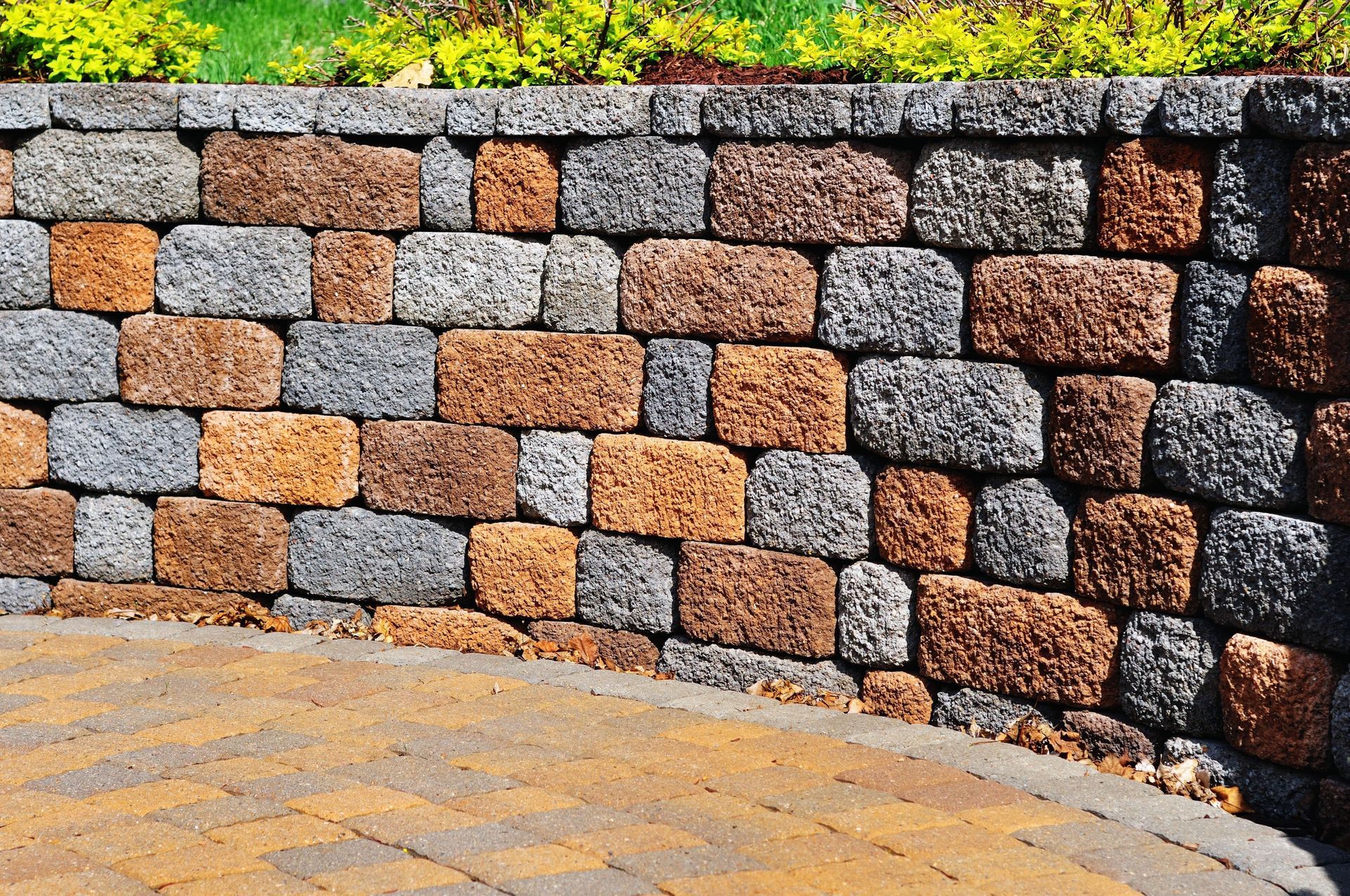
Foundation work also includes supporting nearby landscape and hardscape elements. According to This Old House, a retaining wall that is four feet high and 15 feet long can hold back 20 tons of saturated soil. That fact shows how much pressure surrounding materials can create when water and soil are not managed properly. Professionals who understand these structural relationships are better equipped to prepare paving areas that remain stable and protected.
Selecting Suitable Materials Wisely
Material selection has a major impact on surface longevity. Asphalt mixes, aggregate types, sealants, and edging materials all influence performance, appearance, and maintenance needs. Choosing the wrong material for the site or traffic level can result in avoidable damage and a shorter service life. A surface that looks acceptable at installation may deteriorate quickly if the materials do not match the demands placed on it.
Paving contractors help property owners choose materials based on usage, budget, and environmental exposure. An area that experiences frequent turning movements or heavier loads may require a different asphalt thickness or base composition than a lightly used residential path. In other cases, the right recommendation may involve drainage features or reinforcement measures that improve performance over time.
These decisions require more than basic product knowledge. Contractors must understand how materials respond to heat, moisture, pressure, and aging. By selecting materials strategically instead of focusing on price alone, property owners are more likely to receive a surface that performs well across seasons and years of regular use.
Managing Water Drainage Effectively
Water is one of the greatest threats to pavement durability. When water collects on the surface or seeps into the base, it weakens the structure and accelerates deterioration. Puddling, erosion, subgrade softening, and freeze-thaw damage are all common results of poor drainage planning. A paved area may look smooth at first, yet fail prematurely if water is not directed away properly.
That is why paving contractors pay close attention to slope, runoff control, and drainage integration during design and installation. Proper grading helps water move off the pavement instead of settling into low areas. In some settings, professionals may incorporate channels, swales, catch basins, or adjacent grading improvements to reduce the risk of water-related damage. These measures support the durability of the paved surface and the surrounding property.
Effective drainage also protects usability and safety. Standing water can create slick conditions, hide defects, and increase wear from repeated saturation. Over time, unmanaged moisture can turn a minor drainage issue into widespread structural failure.
Applying Installation Methods Precisely
Even with excellent materials and base preparation, durability depends on how the pavement is installed. Timing, temperature, equipment use, and finishing methods all influence the final result. Small mistakes during installation can lead to weak seams, uneven compaction, surface inconsistencies, and early breakdown. Proper technique is what transforms raw materials into a dependable paved structure.
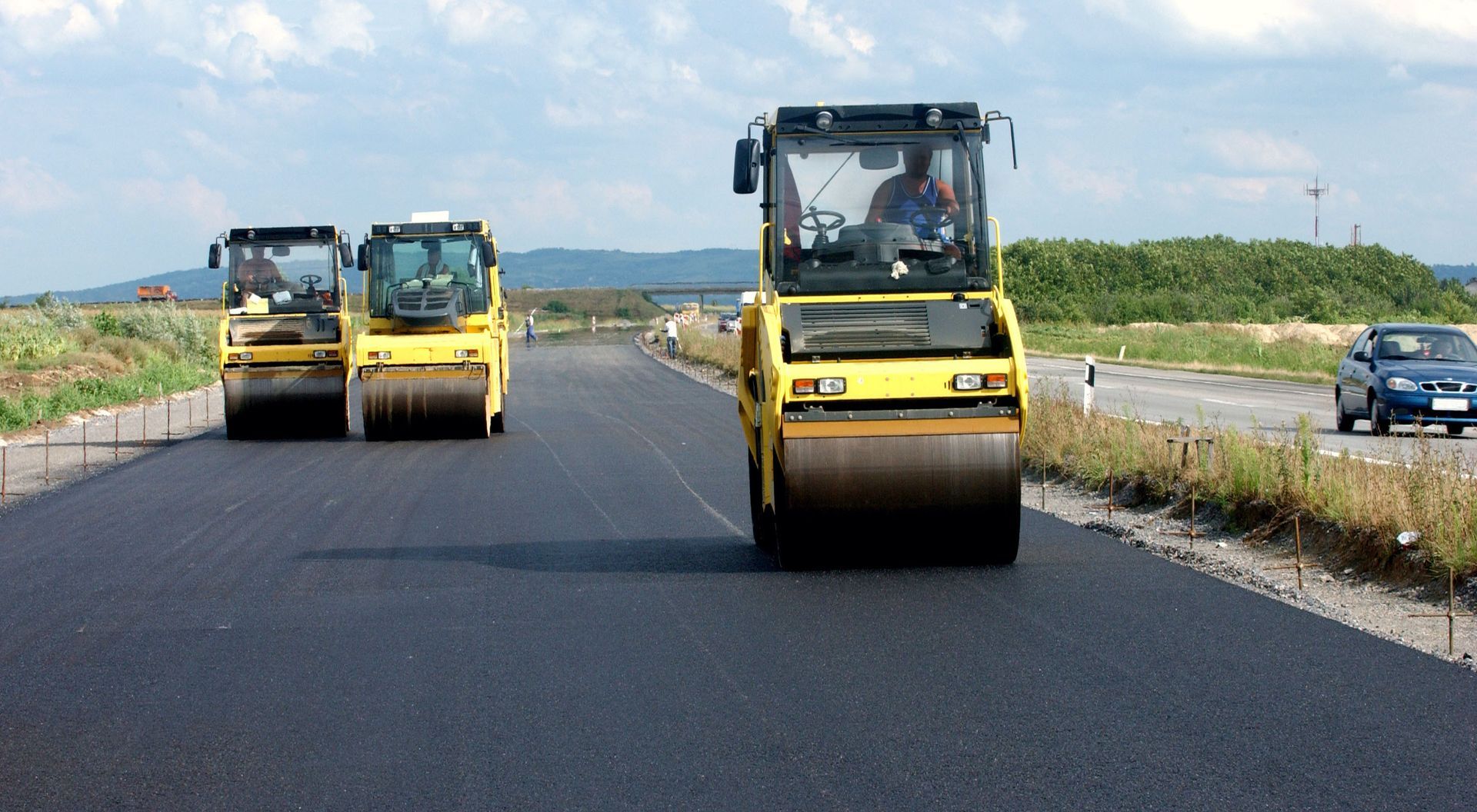
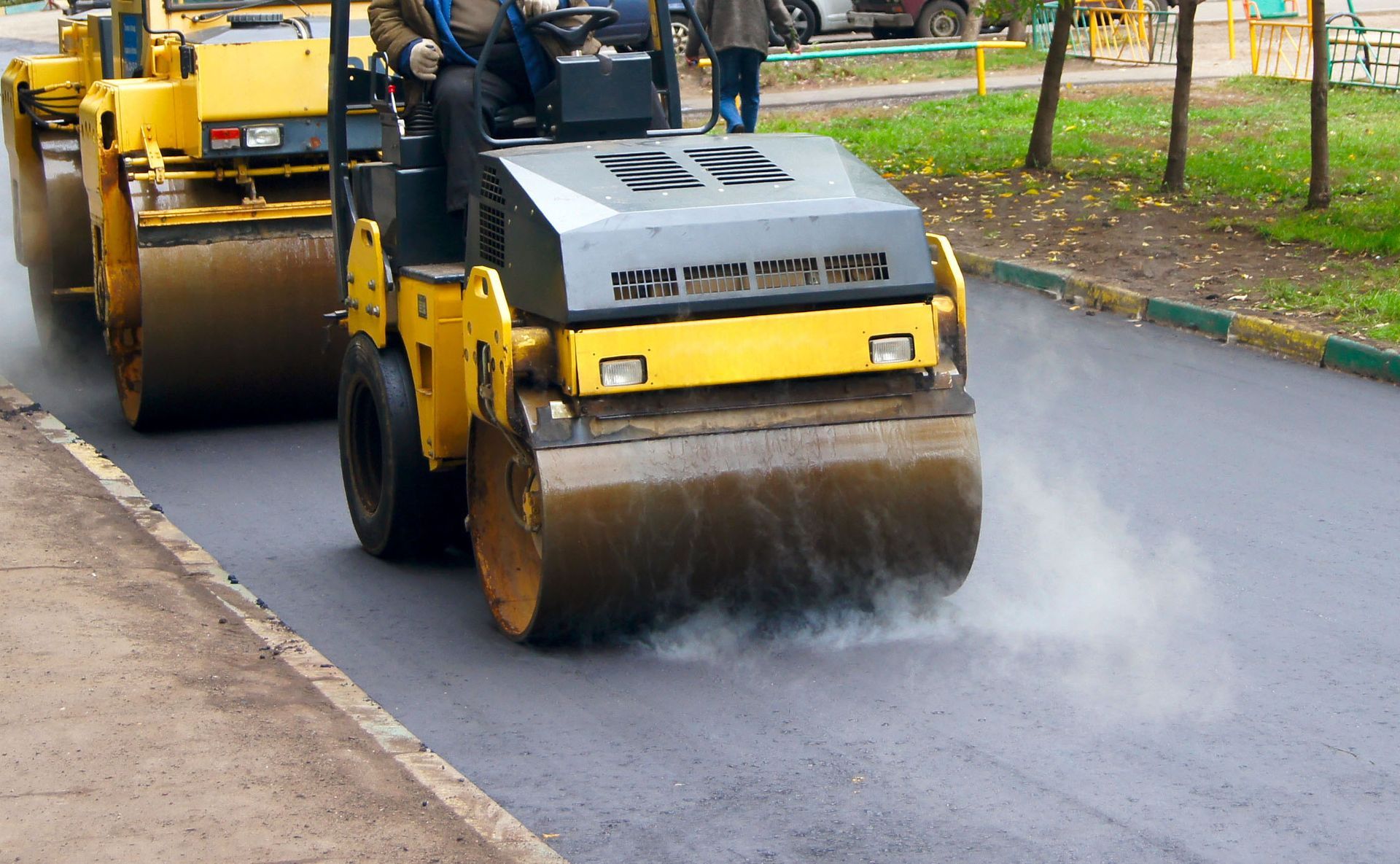
Skilled paving contractors follow methods that support both appearance and long-term strength. They understand the importance of placing and compacting asphalt at the correct temperature, maintaining consistent thickness, and creating smooth transitions at joints and edges. Precision in these details helps the pavement perform as intended rather than developing weak points under traffic and weather exposure.
Professional installation also improves the look of the finished project. Clean lines, even surfaces, and properly formed edges contribute to curb appeal and functionality. A well-installed surface is easier to maintain, less likely to trap water, and better able to withstand everyday wear.
Supporting Long-Term Maintenance Consistently
Durability does not end when installation is complete. Even high-quality pavement benefits from routine care, timely repairs, and preventive maintenance. Cracks, oxidation, surface wear, and drainage issues can all grow worse if they are ignored. A long-lasting surface requires ongoing attention, and knowledgeable professionals help property owners understand what that care should involve.
Paving contractors often provide guidance on sealcoating schedules, crack filling, patching needs, and inspections that help preserve pavement condition. By addressing minor issues early, owners can avoid more extensive and expensive repairs later. Maintenance recommendations are especially valuable because they are based on the specific materials, traffic patterns, and environmental conditions affecting the site.
This long-term perspective is one of the reasons professional paving support matters so much. Durable surfaces are not simply installed and forgotten. They are monitored, maintained, and protected through practical upkeep. When owners have a clear plan for preserving their investment, the pavement is more likely to retain its strength, appearance, and function over time. Call New England Paving today to schedule your paving or asphalt service.