June 2, 2026
Modern transportation systems rely on durable, consistent surfaces that can support daily travel demands across residential, commercial, and industrial environments. Among the available roadway materials, asphalt continues to serve as a foundational element in building and maintaining functional infrastructure. Its adaptability, cost efficiency, and ease of maintenance have positioned it as a preferred choice for municipalities and private developers alike. In addition, its ability to be produced, transported, and installed at scale makes it especially suitable for rapidly growing regions where roadway demand is constantly increasing.
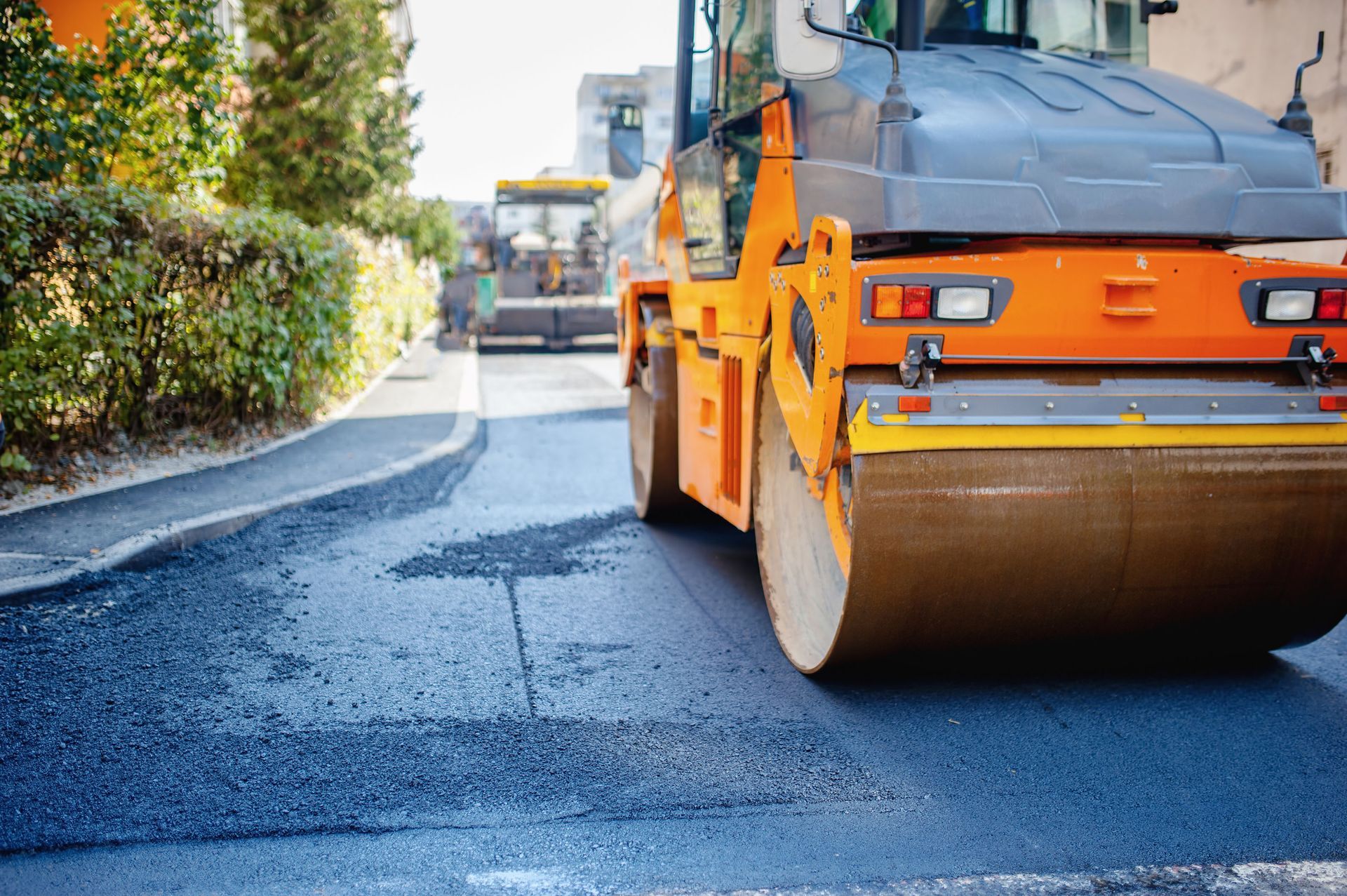
Within this broader context, the role of paving services extends far beyond surface installation. These services support long-term planning, structural integrity, roadway usability, and regulatory compliance across diverse conditions. As infrastructure networks expand and age, the demand for reliable pavement solutions continues to grow, reinforcing the importance of strategic material selection and professional application. Modern paving operations also incorporate advanced surveying, material testing, and quality control measures to ensure consistent outcomes across projects of varying complexity.
Building the Foundation for National Transportation Networks
Structural Reliability and Load Distribution
Asphalt plays a central role in distributing vehicle loads across road surfaces, helping prevent localized stress points that can lead to cracking or deformation. Proper installation ensures that weight is transferred efficiently through layered construction, which improves overall roadway durability and reduces the likelihood of premature failure. This structural behavior is a key reason asphalt remains widely adopted in transportation systems.
Professional paving contractors are essential in achieving this level of performance, as correct grading, compaction, and material selection directly influence how well a surface responds to repeated traffic loads. Without these foundational practices, even high-quality materials may underperform under real-world conditions. In modern applications, contractors often rely on engineered asphalt mixes designed to meet specific traffic classifications, further improving structural resilience.
Consistency Across Roadway Systems
One of the defining characteristics of modern infrastructure is the need for consistency across vast roadway networks. Standardized materials and construction methods allow drivers to experience predictable road behavior, which supports both safety and efficiency. Asphalt contributes significantly to this consistency due to its uniform application and reliable performance across climates.
According to the National Asphalt Paving Association, approximately 94% of the 2.8 million miles of paved roads in the United States are surfaced with asphalt, reflecting its dominant role in national transportation systems. This widespread adoption underscores how integral asphalt-based paving services are to maintaining continuity across highways, local roads, interstates, and rapidly developing suburban corridors. It also highlights the importance of ongoing maintenance programs to preserve system-wide reliability.
Integration With Expanding Infrastructure
As cities expand and transportation demands increase, roadway systems must adapt to higher traffic volumes and evolving land use patterns. Asphalt provides a flexible solution that can be applied to new developments or integrated into existing networks without extensive disruption. Its compatibility with phased construction projects makes it especially valuable in urban planning.
Ongoing reliance on paving contractors ensures that expansion efforts remain coordinated and structurally sound. These services support transitions between old and new roadway segments, preserving continuity while accommodating growth and increased usage demands. In many cases, resurfacing existing infrastructure with asphalt overlays allows municipalities to extend roadway life without full reconstruction, improving project efficiency and minimizing public disruption.
Improving Economic Efficiency and Long-Term Infrastructure Value
Cost Management in Large-Scale Projects
Infrastructure development requires careful cost management, particularly when projects span multiple miles or involve complex site preparation. Asphalt offers a balance between affordability and performance, making it a practical choice for large-scale roadway systems. Its relatively low installation cost compared to alternative materials allows for broader coverage within limited budgets.
In this context, paving services provide essential value by optimizing material usage and ensuring efficient project execution. Strategic planning and precise application help reduce waste and avoid unnecessary reconstruction costs, which contribute to more sustainable infrastructure investment over time. Contractors also use predictive planning models to estimate lifecycle costs, helping stakeholders make more informed budgeting decisions.
Maintenance Cycles and Lifecycle Planning
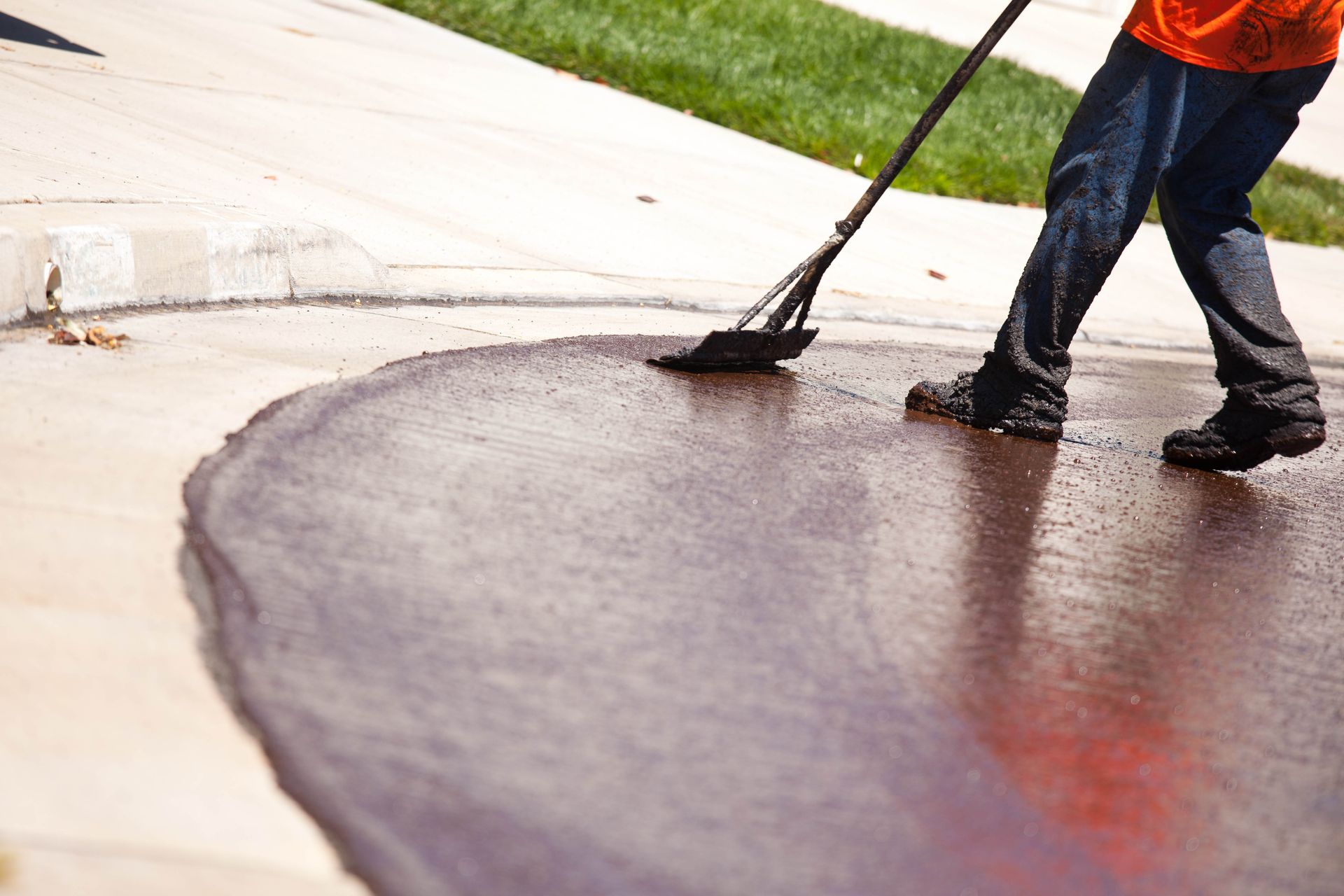
Long-term infrastructure planning depends heavily on predictable maintenance cycles. Asphalt surfaces can be repaired, resurfaced, or sealed to extend their functional lifespan without requiring full reconstruction. This flexibility reduces long-term expenditures and supports continuous roadway availability.
Routine paving plays a critical role in managing these lifecycle requirements. Through scheduled maintenance and timely intervention, small surface issues can be addressed before they develop into more significant structural problems, preserving both performance and cost efficiency across the system. Preventive maintenance strategies also help reduce emergency repair needs, which are often more disruptive and expensive.
Asset Longevity and Value Preservation
Infrastructure assets must retain value over extended periods to justify initial investment and ongoing maintenance costs. Asphalt supports this goal by offering a surface that can be efficiently restored and upgraded as needed. Its ability to adapt to maintenance treatments helps preserve roadway function without extensive downtime.
Property owners and municipalities that invest in consistent paving services often experience improved long-term asset performance. This approach not only extends surface lifespan but also stabilizes maintenance budgets by reducing the frequency of major reconstruction projects. Over time, this creates more predictable financial planning for infrastructure agencies and developers.
Enhancing Safety, Accessibility, and Community Impact
Road Surface Safety and Driving Conditions
Safety is a primary concern in infrastructure design, particularly in areas with high traffic volumes or variable weather conditions. Asphalt contributes to safer driving environments by providing a smooth, consistent surface that improves vehicle traction and reduces the risk of accidents caused by uneven pavement. Its natural flexibility also helps absorb minor surface movement without immediate failure.
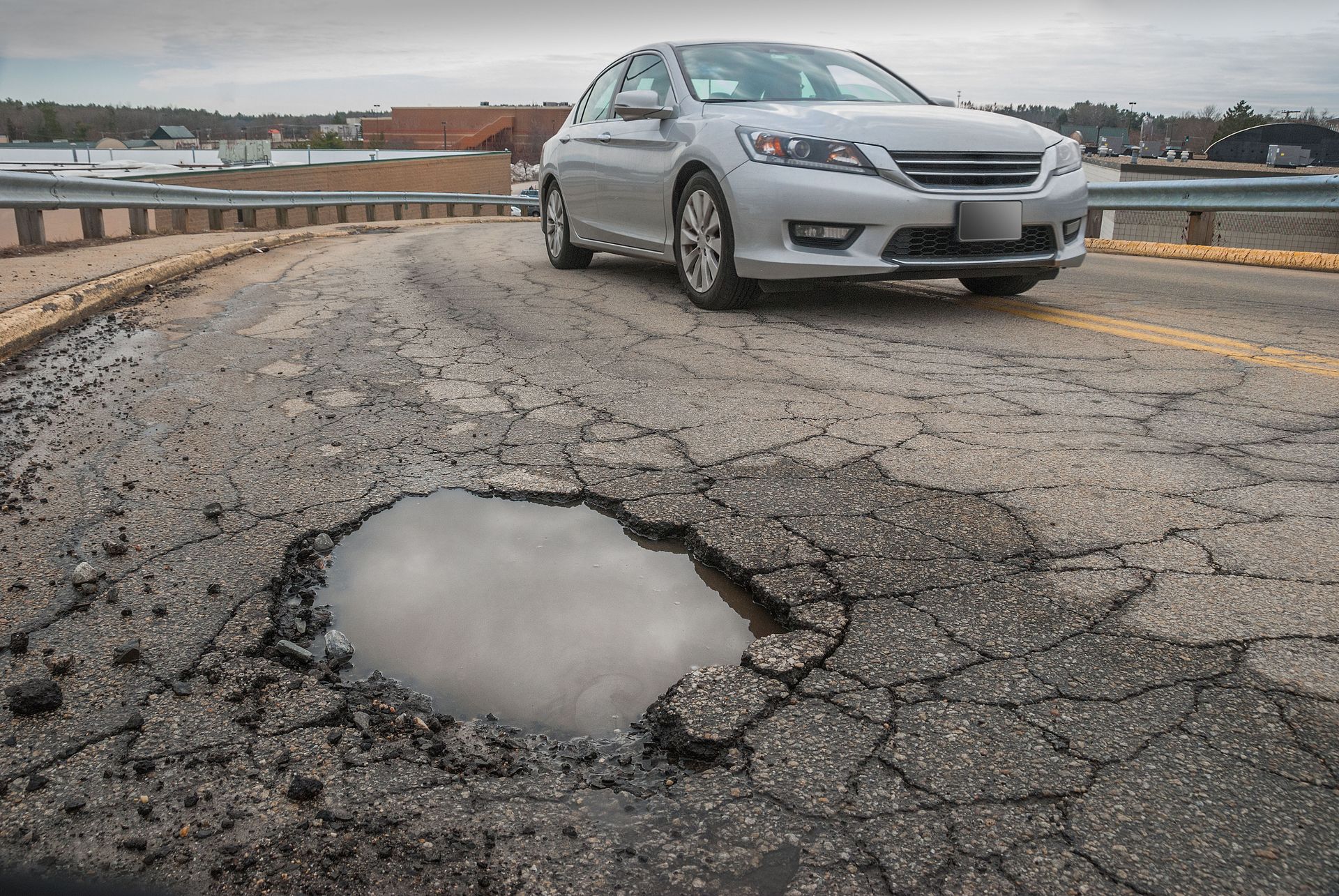
Reliable paving services ensure that safety standards are maintained throughout installation and maintenance phases. Proper compaction and drainage design are critical in preventing hazards such as potholes, standing water, and surface degradation that can compromise driver safety. Enhanced drainage planning also helps reduce hydroplaning risks during heavy rainfall events.
Access for Residential and Commercial Areas
Road accessibility plays a significant role in connecting communities and supporting economic activity. Well-maintained asphalt surfaces enable efficient movement of goods, services, and daily commuters, which directly impacts local development and quality of life. Residential neighborhoods and commercial districts both rely on dependable roadway infrastructure.
The application of paving services in these environments ensures that access routes remain functional and durable under varying usage demands. Whether supporting light residential traffic or heavier commercial loads, asphalt surfaces provide the adaptability needed to maintain consistent access across different property types. This reliability also supports emergency response access, which is critical for community safety.
Environmental Adaptability and Surface Performance
Infrastructure must perform reliably under changing environmental conditions, including temperature fluctuations, precipitation, and seasonal stress. Asphalt's ability to expand and contract with weather variations helps reduce surface cracking and structural damage over time. This adaptability is especially important in regions with freeze-thaw cycles.
Professional paving services enhance this resilience by selecting appropriate material mixes and ensuring proper installation techniques. These practices help stabilize surface performance and reduce the likelihood of weather-related deterioration, supporting long-term roadway reliability. In some applications, recycled asphalt materials are also incorporated to improve sustainability without compromising performance.
Modern infrastructure depends on materials and construction methods that balance durability, efficiency, and long-term usability. Asphalt continues to fulfill this role across a vast majority of roadway systems, supporting transportation networks that connect communities and enable economic activity. Its widespread use reflects both its practical advantages and its proven performance in diverse conditions.
Sustained investment in paving services ensures that these systems remain functional, safe, and cost-effective over time. Through careful installation, maintenance, and planning, asphalt infrastructure continues to meet the evolving demands of modern transportation while supporting long-term community development. Reach out to New England Paving if you're interested in reliable asphalt paving for your home or business!